
15 Youth Ministry Event Ideas That Get Teens to Actually Show Up

Getting teens to show up to anything outside of school can feel like a challenge. Between sports, social lives, and everything competing for their attention, youth events have to offer something that actually feels worth their time.
Here’s what it usually comes down to. Teens are far more likely to show up when they know their friends will be there. If it feels like a place where they can relax, laugh, and just be themselves, attendance tends to follow. On the flip side, if an event feels overly structured, forced, or like another obligation, they’ll opt out without much hesitation.
That’s why the goal isn’t to create the “perfect” event. It’s to create something that feels inviting, natural, and easy to say yes to. When teens feel comfortable, included, and not put on the spot, they’re much more open to coming back and bringing others with them.
The ideas below are built with that in mind. They focus on connection first, with just enough structure to keep things moving without making it feel like another program their parents are making them sit through.

1. Host a “Bring a Friend” Game Night
This one works for a simple reason. It lowers the barrier to entry. Teens are much more likely to show up when they’re not walking into a room full of unfamiliar faces alone. Giving them a clear reason to invite a friend makes the event feel more social and less intimidating right from the start.
Aim for a relaxed flow, not a rigid schedule, by planning just enough to keep things moving. Start with a few easy icebreakers that don’t put anyone on the spot, then move into group games or team-based challenges. Think along the lines of games that get teens laughing and interacting quickly, not ones that require a lot of explanation or skill. The goal is to help new faces feel included without drawing too much attention to the fact that they’re new.
Team-based games tend to work especially well here. They naturally mix friend groups, which helps avoid cliques and makes it easier for everyone to connect. Rotate teams if possible so teens aren’t stuck in the same groups all night.
If you want to boost participation, add a small prize element. It doesn’t have to be anything big or costly. Gift cards, snack bundles, or even a small giveaway can create just enough incentive to get teens engaged without making the night feel overly competitive.
Overall, this type of event hits all the right factors. Friends are already part of the plan, the atmosphere stays relaxed, and new teens can step in without feeling out of place.

2. Plan a Night of Food + Open Hangout
This is one of the easiest events to pull off, and it consistently works. Food draws teens in, but the real value is the space it creates. When there’s no pressure to perform, compete, or participate in anything specific, teens tend to relax and actually connect.
Pizza, snacks, drinks, and a playlist in the background are more than enough. Focus on creating an environment where teens can sit, talk, move around, and settle into conversations naturally. You don’t need a packed schedule here. Just make sure there’s enough seating and room for small groups to form without feeling crowded.
The key is to resist the urge to over-plan. A few optional things like card games, board games, or even a TV playing something in the background can help fill any quiet moments, but don’t let those things take over the night. The goal is to give teens the freedom to engage at their own pace.
This type of event is especially effective for building consistency. When teens know they can show up, grab food, and hang out without pressure, it becomes familiar. And familiarity makes it much easier for them to keep coming back.

3. Organize a Youth Worship Night
A youth worship night can be powerful, but the approach matters. Teens are more likely to engage when it feels like something they’re part of, not something being done to them. Shifting it toward a youth-led or youth-involved format helps.
The worship set should be focused but not overly long. A handful of songs, a short message or devotional, and a real and relatable tone will hold teens’ attention better than a drawn-out program. The goal is to create a space where teens can connect with God in a way that feels authentic, and not forced or overly formal.
It also helps to create a relaxed environment. Dim lighting, a simple setup, and familiar songs helps to create an inviting space. And try to avoid overproducing things. The night doesn’t need to feel like a full church service to be meaningful.
After the worship portion, transition into a casual hangout. This is where a lot of the connection happens. Snacks, conversation, and a chance to decompress will give teens time to process what they just experienced, while also reinforcing the social side that’ll keep them coming back.

4. Create a Themed Party Night
Themed nights give teens a reason to show up because it feels different from a typical youth gathering. There’s a built-in sense of fun before they even walk through the door, especially when the theme is easy to understand and participate in.
Keep the theme simple and recognizable. Glow night, throwback night, or jersey night all work because teens immediately “get it” and can decide quickly if they want to join in. Encourage participation without making it feel like a requirement. Some will go all out, others will likely keep it more minimal, and both should feel equally comfortable showing up.
Once the theme is set, carry it through the night with a few related activities. You could add games, contests, or small challenges that tie back to the theme. For example, a glow night could include glow-in-the-dark games, while a throwback night could feature music or trivia from different decades. It doesn’t have to be elaborate, just cohesive enough to keep the energy going.
This type of event works well because it naturally creates conversation and shared experiences. Teens have something to talk about, laugh about, and participate in together, which helps break the ice without forcing interaction.

5. Run a Competitive Game Tournament
A tournament-style event taps into something a lot of teens already enjoy. And a little competition gives the night energy and keeps them engaged.
Choose a format that fits your group. Video games, board games, or simple sports all work. Set up brackets, teams, or elimination rounds so there’s a clear flow to the night. It doesn’t have to be overly formal, just organized enough that everyone knows what’s happening next.
The tone should be competitive but still light. You want excitement, of course, but not too much pressure. Mixing teams can help prevent the same groups from sticking together and gives more teens a chance to interact. If you’re using video games, consider rotating players so no one is stuck watching for too long.
Adding a small prize or even just bragging rights can also go a long way. A prize gives teens something to play for without making it feel too serious. Small rewards like snacks or gift cards are motivating while still keeping the focus on having a good time.
This type of event works because it gives teens a clear reason to show up. It’s fun, interactive, and easy to understand, which makes it an easy yes when they’re deciding whether or not to come.

6. Plan an Outdoor Adventure Day
An outdoor event changes the pace in a way that naturally draws teens in. It gets them out of the usual setting and gives them space to move, talk, and interact with each other without feeling confined to a single room.
You have a lot of flexibility here. A park day with casual games, a light hike, a beach trip, or even some simple field games can all work. The focus should stay on activities that are easy to join without needing a certain skill level or a lot of explanation. Think frisbee, kickball, relay games, or just open space for teens to hang out and do their own thing.
Keep the physical side approachable. Not every teen wants an intense or competitive activity, so it helps to offer different options. Some might want to play, others might just want to sit, talk, and be part of the group. Both should feel equally included.
This type of event tends to work especially well in warmer seasons when teens are already looking for reasons to be outside. It feels more like a social outing than a structured event, which makes it easier for them to say yes and bring a friend along.

7. Host a Movie Night
A movie night is familiar, low-pressure, and easy to say yes to. It doesn’t require much explanation, and teens already know what to expect, which helps remove any hesitation about showing up.
Pick something current or widely known so there’s already interest built in. If the movie feels relevant or popular, attendance tends to follow. You can also let teens vote ahead of time, to give them a sense of input and increase buy-in.
You can’t have a movie night without snacks. So remember the popcorn, candy, drinks, or even themed snacks tied to the movie to make the night feel a little more intentional. If you want to go a step further, add a short discussion afterward or a few themed activities, but keep that part optional and brief.
The overall tone should stay relaxed. Dim the lights, give teens space to spread out, and avoid turning your movie night into something overly structured. This works best when it feels like a casual hangout that just happens to include a movie, not an event they have to actively participate in.

8. Do a Service Project Together
Service projects can be meaningful, but the way they’re presented makes all the difference. Teens are more likely to show up when it feels like they’re making a real impact, not just checking a box or fulfilling an obligation.
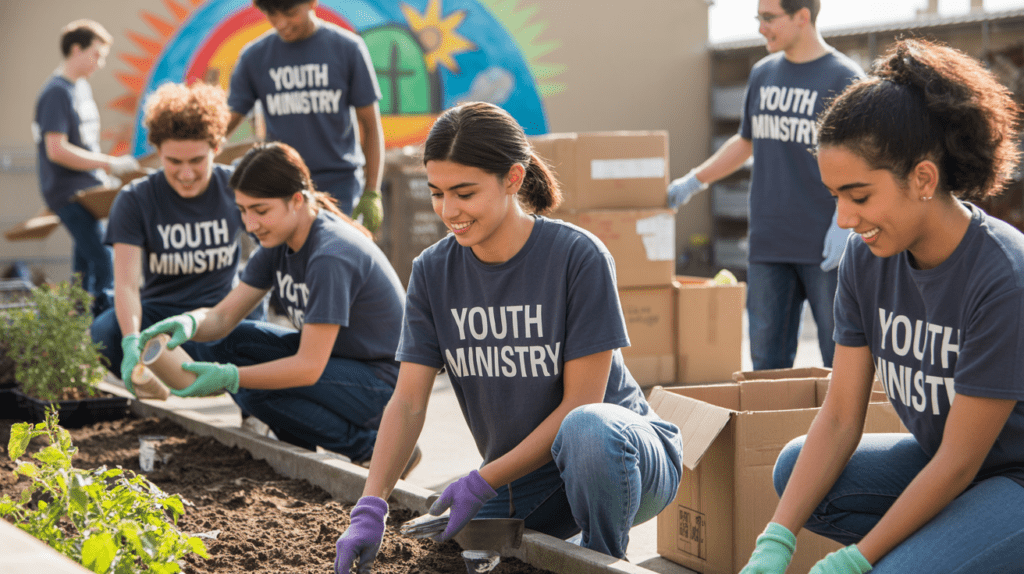
Choose something practical and visible. Local outreach, putting together care packages, or a simple community cleanup gives teens a clear sense of purpose. When they can see the results of what they’re doing, it tends to feel more worthwhile and engaging.
Keep the focus on helping others and being part of something bigger, not on what they “should” be doing. The tone should feel inviting and positive, not heavy or guilt-driven.
Also make sure it’s a reasonable time commitment. A few hours is usually enough to make an impact without wearing your teens out. If the service project feels reasonable, impactful, and doable, teens are more likely to participate and be more open to doing it again in the future.
9. Organize a Youth Lock-In
Lock-ins have been around forever, but they still work when done right. The key is adjusting them to fit what teens actually enjoy now, not just repeating the same long, exhausting format.
Start by shortening the timeframe. It doesn’t have to run all night to be effective. A late evening into midnight or slightly after is often enough to create that “special event” feel without everyone burning out halfway through.
Plan a mix of activities, but don’t overload the schedule. Include a few high-energy games, some food, and built-in downtime where teens can just sit, talk, or regroup. That balance matters more than trying to fill every minute.
It also helps to keep things flexible. If something is working, let it run a little longer. If something falls flat, move on without forcing it. The goal is to create a fun, memorable night that feels social and relaxed, not like a packed agenda they have to keep up with.

10. Create a Talent Show or Open Mic Night
A talent show or open mic night gives teens a great opportunity to express themselves. It also creates a different kind of energy from typical events, since everyone is either participating or cheering someone else on.
Singing, poetry, comedy, short skits, or even something unexpected all work. Make it clear upfront that it doesn’t have to be perfect or polished. The goal is participation, not performance quality.
Lower the pressure as much as possible. Let teens sign up ahead of time or even volunteer on the spot. You can also allow group acts so no one feels like they have to be up there alone. The more flexible it feels, the more likely teens are to take part.
And don’t overlook the audience side of things. Encourage cheering, clapping, and support between acts. You can even add light audience involvement, like voting for fun categories or giving shoutouts. When the room feels supportive, it makes the whole event more enjoyable for everyone, not just the performers.

11. Plan a Sports Night or Mini Tournament
A sports night is simple, familiar, and easy to get people involved. It gives teens something active to do while still leaving room for conversation and connection between games.
Choose a few go-to options like basketball, volleyball, or dodgeball. You can run it as a mini tournament with short rounds or just rotate games throughout the night. Either way, keep things moving so no one is stuck sitting out for too long.
Make inclusivity a priority. Not every teen is athletic, and that’s fine. Set the tone early that this is about having fun, not being the best. You can adjust rules, mix skill levels on teams, or offer lighter options on the side so everyone feels comfortable jumping in.
Rotating teams helps break up friend groups and keeps the night from feeling too cliquey. It also gives teens a chance to interact with people they might not normally talk to. That alone can make a big difference in how connected the group feels by the end of the night.

12. Host a Q&A or Real Talk Night
A Q&A or “real talk” night gives teens a space to ask what they’re already thinking about but may not feel comfortable bringing up on their own. When done right, it can lead to some of the most meaningful conversations in your youth ministry.
Focus on topics that actually matter to them. Relationships, identity, pressure, faith doubts, and everyday struggles tend to come up more than surface-level questions. The more relevant the topics feel, the more engaged your teens will be.
Allow anonymous question submissions. Let teens write questions ahead of time or submit them online so they don’t feel exposed. This usually leads to more honest and thoughtful questions than asking out loud in the moment.
The tone matters just as much as the content. So keep answers conversational and direct. Teens can usually tell when something feels scripted. Honest answers, even when they’re simple, tend to resonate more than long explanations.
This type of night works because it meets teens where they are. It creates space for real conversations while still keeping the environment safe, approachable, and grounded.

13. Host an Interactive Food-Based Event
Food already gets teens in the door, but making it interactive is what keeps them engaged. When they’re part of the process, not just standing in line for a plate, the whole event feels more fun and social.
Go with setups like a taco bar, sundae bar, or even a fun cook-off challenge. Let teens build their own plates, mix ingredients, or compete in small teams. It doesn’t have to be complicated. The hands-on element is what makes it work.
These types of events naturally create conversation. Teens are moving around, comparing what they made, laughing at results, and interacting without it feeling forced. It takes the pressure off having to “come up with something to do” because the activity is built in.
Food-based events also tend to draw consistent attendance. If teens know there’s something good to eat and a relaxed, interactive setup, it becomes an easy decision to show up and bring a friend along.

14. Plan a Weekend Retreat or Day Trip
A retreat or day trip creates a different kind of experience than a typical youth night. Getting away from the usual environment helps teens relax, open up, and connect in a way that’s harder to replicate in a regular weekly setting.
It doesn’t need to be elaborate or expensive. A simple day trip to a nearby location, a local camp, or even a rented space can work just as well. What matters more is the shared experience than the destination itself.
Focus on building in natural moments for connection. Car rides, shared meals, and downtime between activities often end up being the most meaningful parts. You can plan a few structured elements like a short devotional, small group discussion, or worship time, but keep them simple and spaced out.
The balance is what makes this work. Mix fun activities with a few intentional moments that allow teens to reflect and engage on a deeper level. When done well, these trips tend to stick with them long after the event is over.
15. Run a Scavenger Hunt or Challenge Night
A scavenger hunt or challenge night brings a different kind of energy. It gets teens moving, thinking, and working together, which helps break down awkwardness quickly and keeps the momentum going.
Set it up so teams complete tasks, solve clues, or find specific items. You can keep it simple or get creative depending on your space. It works indoors, outdoors, or even around the surrounding area if that’s an option. The flexibility makes it easy to adapt to your group and setting.
Team-based challenges tend to work best. They naturally build interaction and give everyone a role, even if someone isn’t the most outgoing. Mixing teams can also help teens connect with people they don’t usually talk to.
This type of event works because it feels active and engaging from start to finish. There’s always something happening, which keeps teens involved and makes the event feel fast-paced.

Final Thoughts
If teens aren’t showing up, it’s usually not because the idea wasn’t good. It’s because it didn’t feel like something they wanted to walk into.
The difference is subtle but important. Think less about planning an “event” and more about setting up an environment they’d actually choose over staying home. If it feels easy to show up, easy to bring a friend, and easy to just exist without pressure, you’re on the right track.
Pick a few of these, try them, and pay attention to what they talk about afterward. That’ll tell you more than attendance numbers ever will.

Until next time,